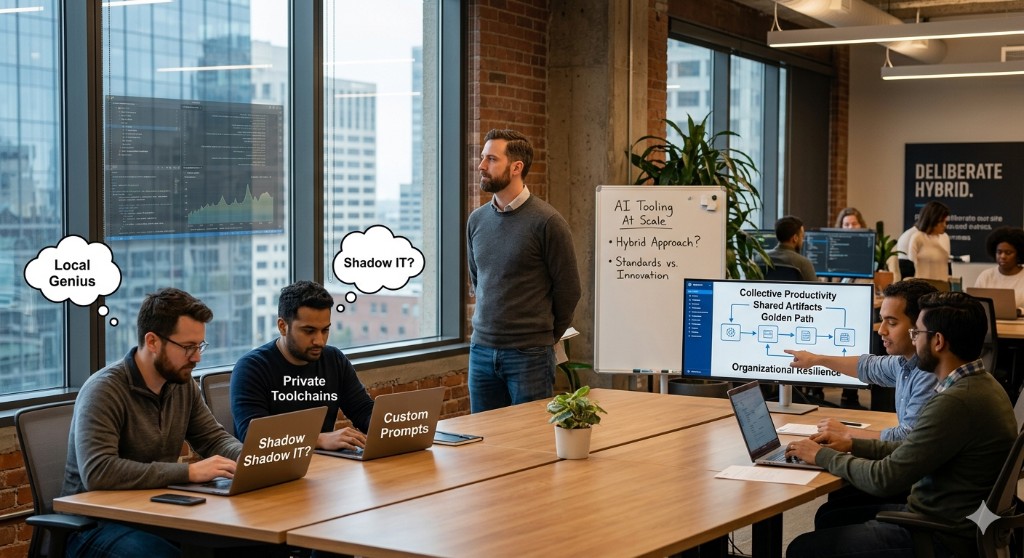
Local Genius, Collective Drag: AI Tooling at Scale
I was discussing with some old friends recently about on call not specific incidents, more how to shap the burden across a large team. Someone mentioned in their company a few engi...
Practical conversations about what AI changes for engineering leadership and management.
Practical conversations about what AI changes for engineering leadership and management.
I was discussing with some old friends recently about on call not specific incidents, more how to shap the burden across a large team. Someone mentioned in their company a few engi...
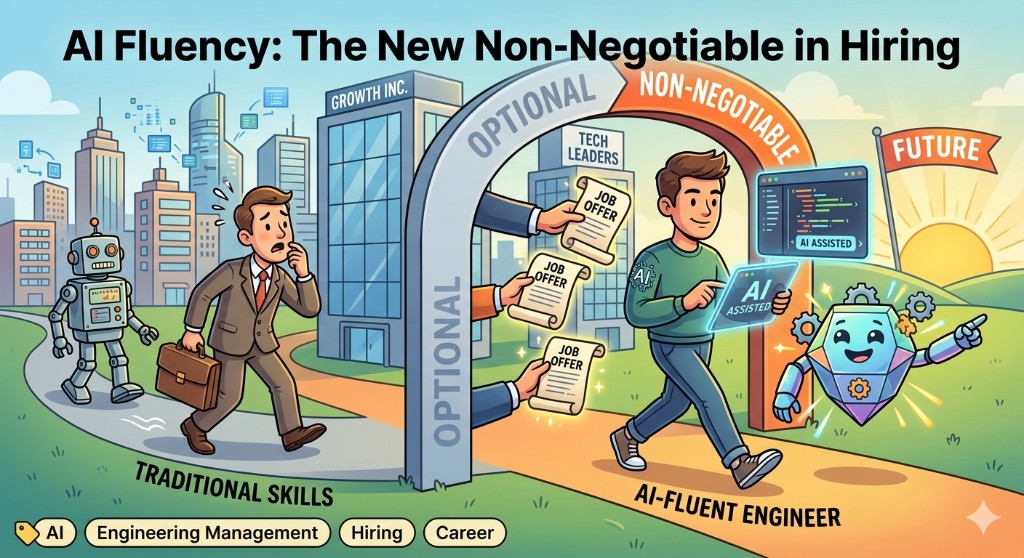
I have been talking to people in my network lately hiring managers, staff engineers, a few founders and a phrase keeps surfacing in different words but with the same spine: if some...
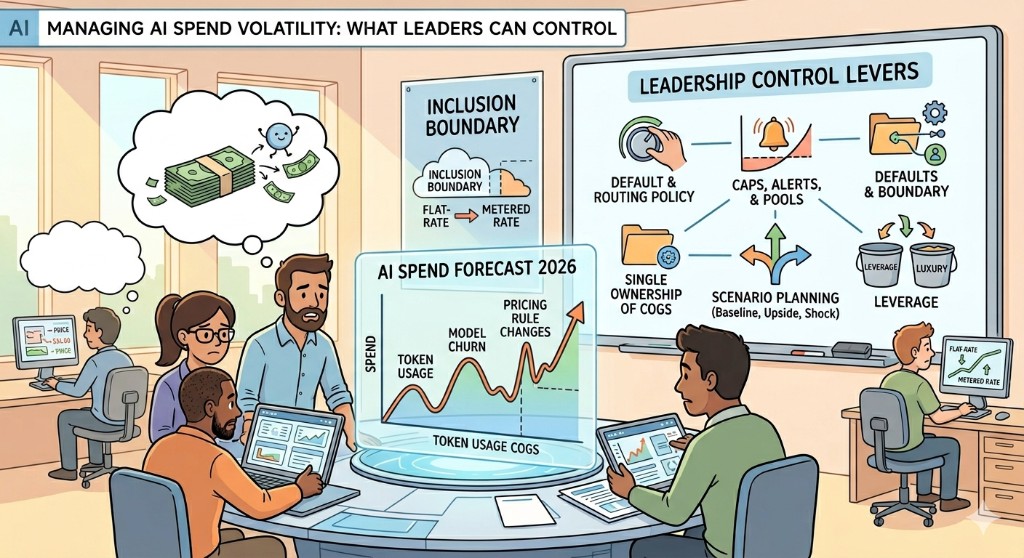
Engineering organizations are hitting a planning wall that spreadsheets were not built for. Headcount curves are familiar: slow ramps, predictable bands, and finance models that mo...
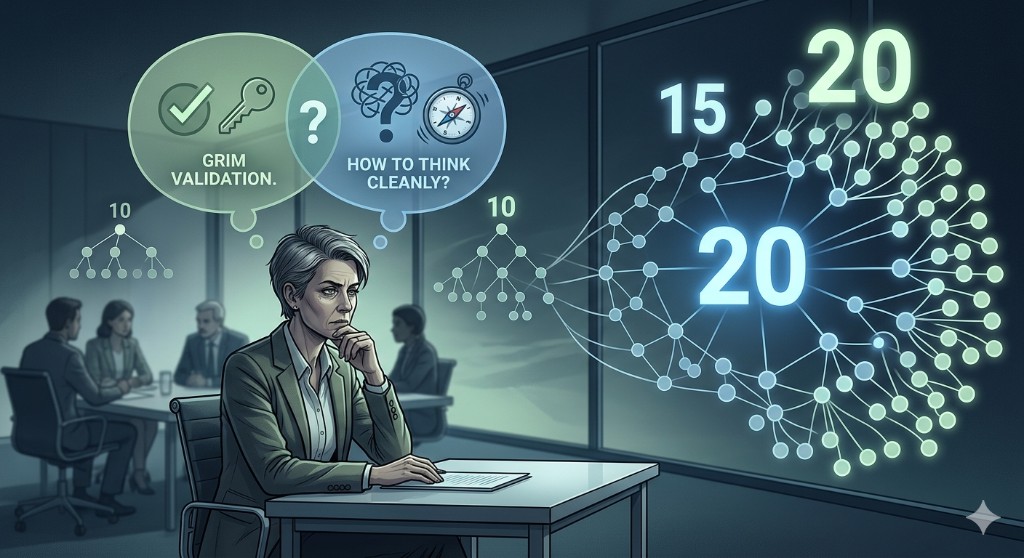
I was in a leadership forum this week when the conversation turned to span of control. Not in the abstract. In numbers. There is a new floor forming: a minimum expectation that man...
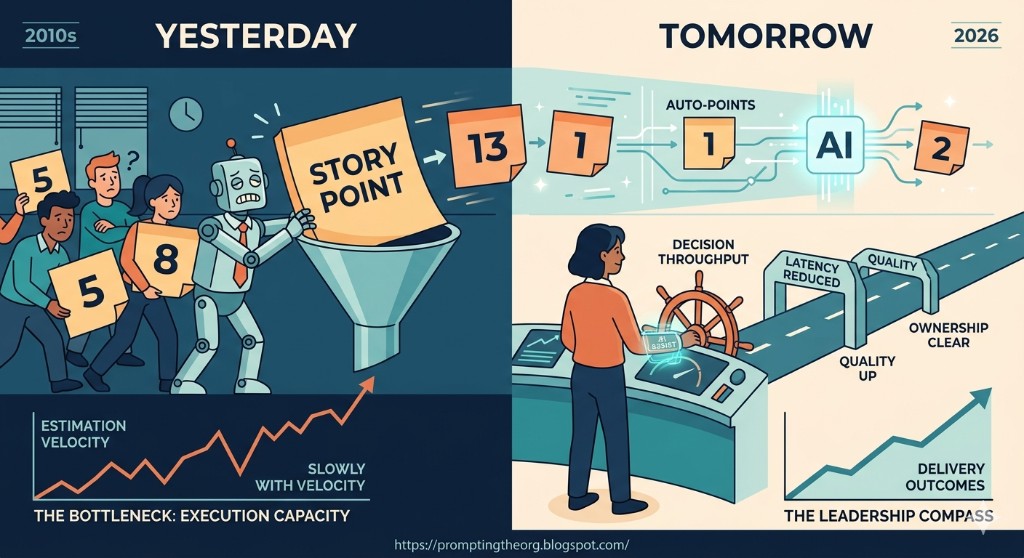
I was in planning recently when someone asked, "How many points can we commit to next sprint?" For years, that question was normal. Useful, even. It gave us a shared language for f...
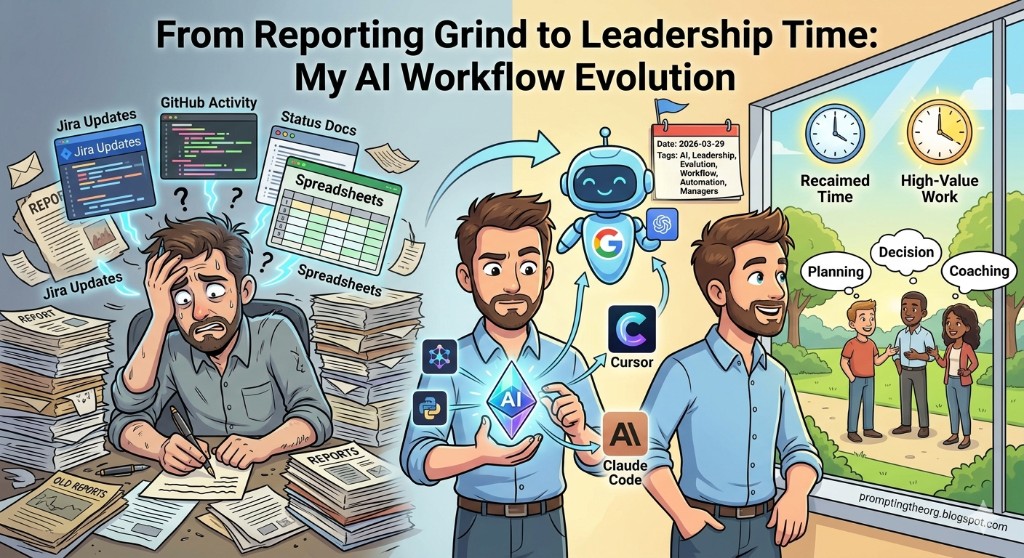
A few weeks ago, I had one of those leadership moments that felt productive on paper and pointless in reality. I had spent over an hour stitching together Jira updates, GitHub acti...
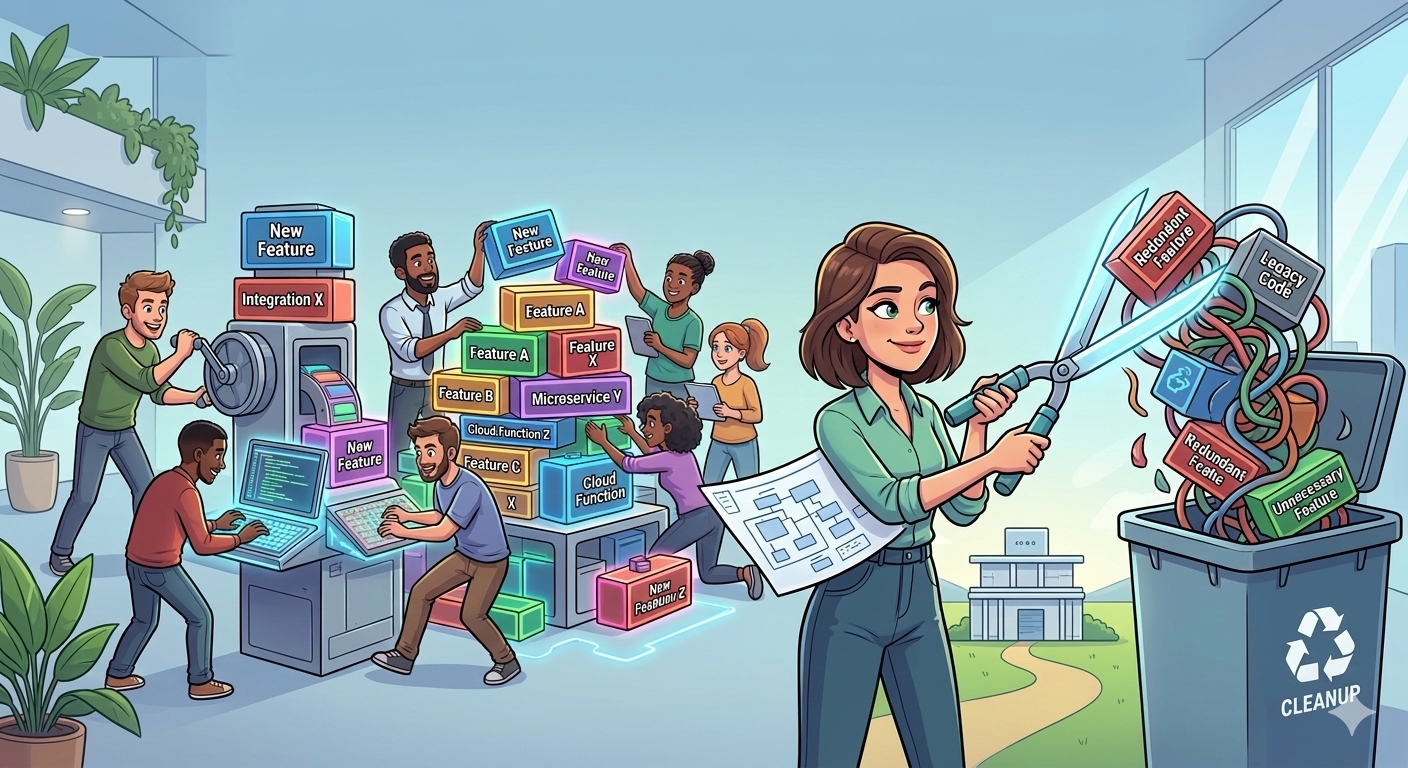
As Engineering Managers, we’ve always known that impact beats throughput. The best leaders in our industry already look past the raw volume of PRs or the velocity of a sprint to fi...
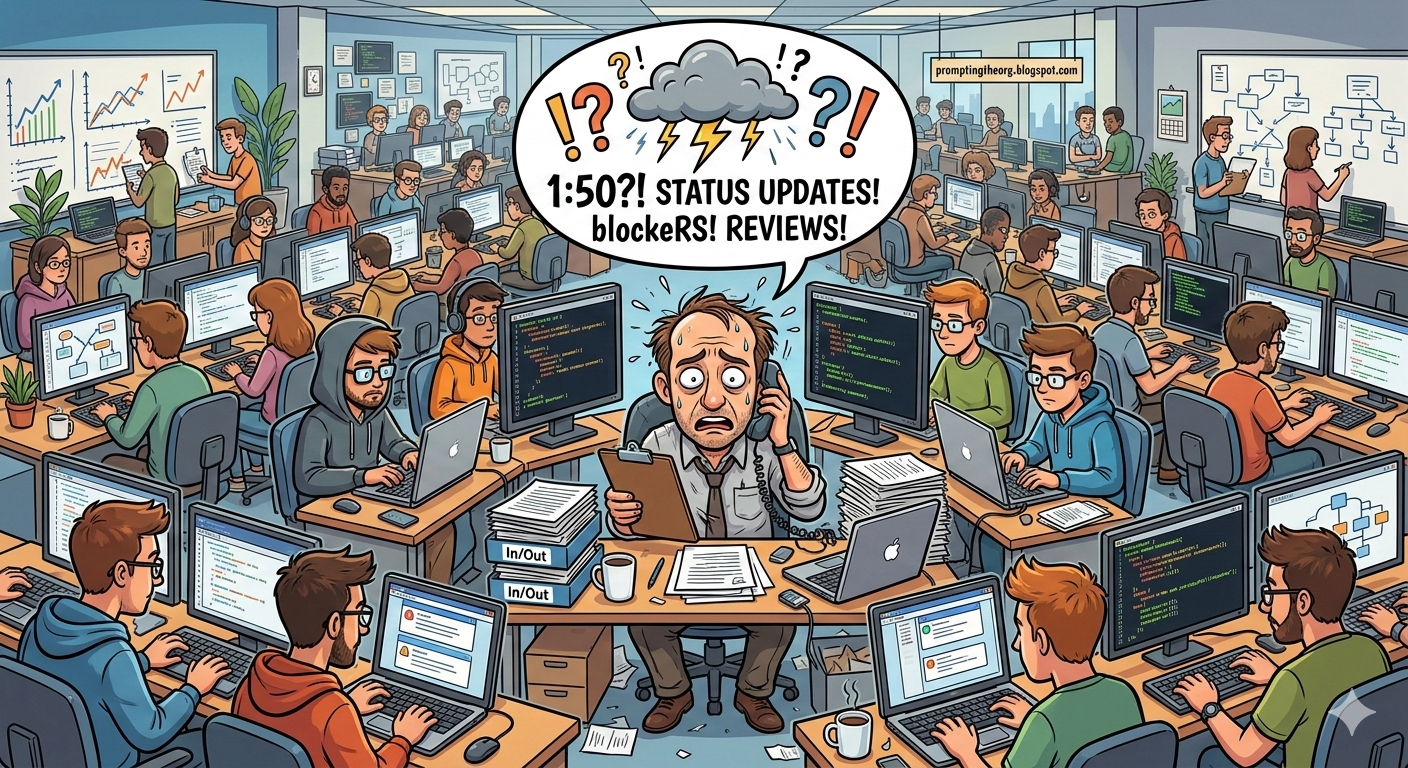
The 1:50 Ratio: Is the "Pod" Dead and the "Horde" Rising? For decades, the "Rule of 7" (plus or minus two) has been the gold standard for engineering management. The logic was simp...
I had a realization this week: I barely opened my LLM this week, and for the first time in months, I felt like I was falling behind. In the past few months I have been surrounded b...
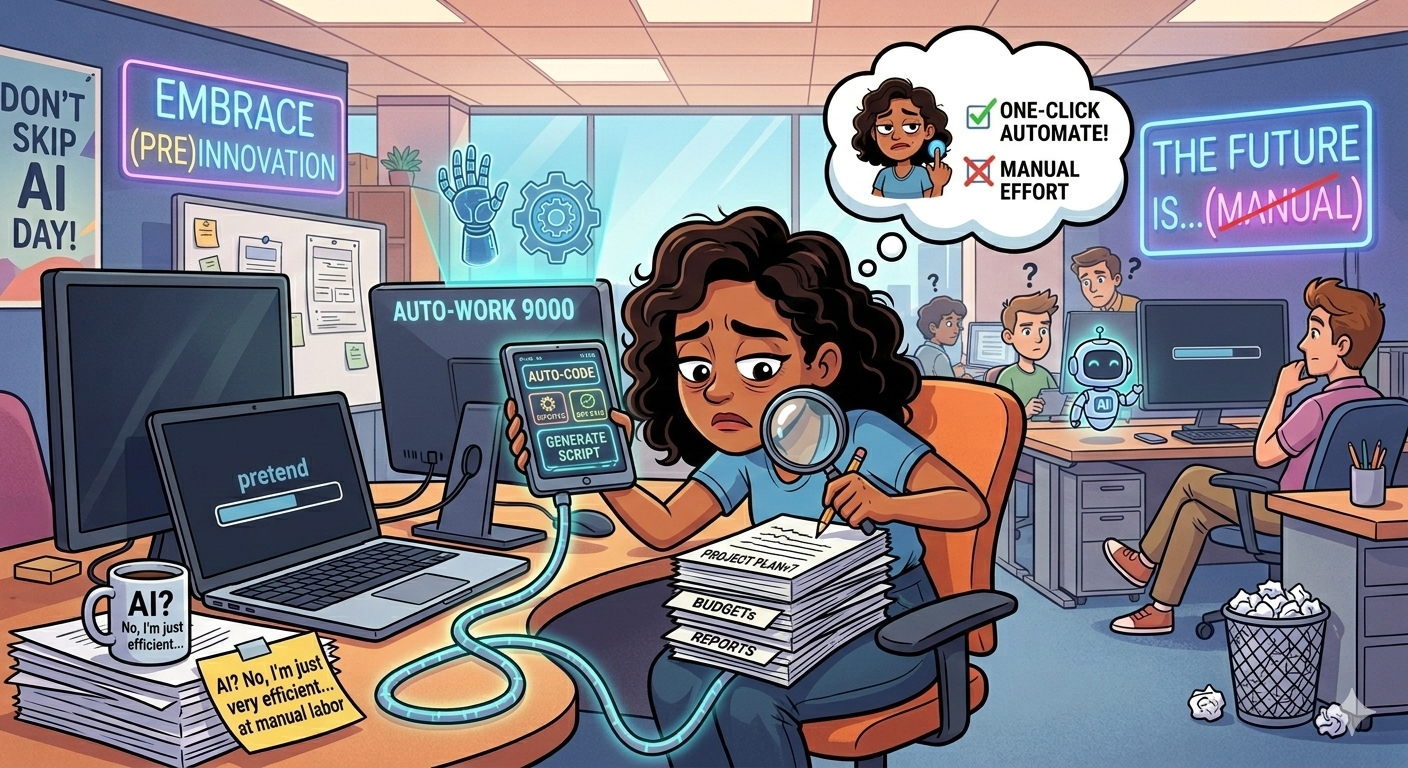
We were promised that AI would be the "Easy Button" for engineering. Instead, I’m seeing something else: my highest performing leads and managers are reporting a level of fatigue t...